

The Role of Environment in Gaming Experiences
The environment within a casino is meticulously crafted to enhance the overall gaming experience, influencing players’ psychological states. Factors such as lighting, color schemes, and the layout of gaming machines play pivotal roles in shaping customer behavior. Bright, vibrant lights and bold colors are intentionally used to create feelings of excitement and urgency, while those seeking the best fast withdrawal casino options will find that this sensory stimulation transforms the casino into an electric atmosphere, making it more appealing for players to immerse themselves in the gaming experience and try their luck.
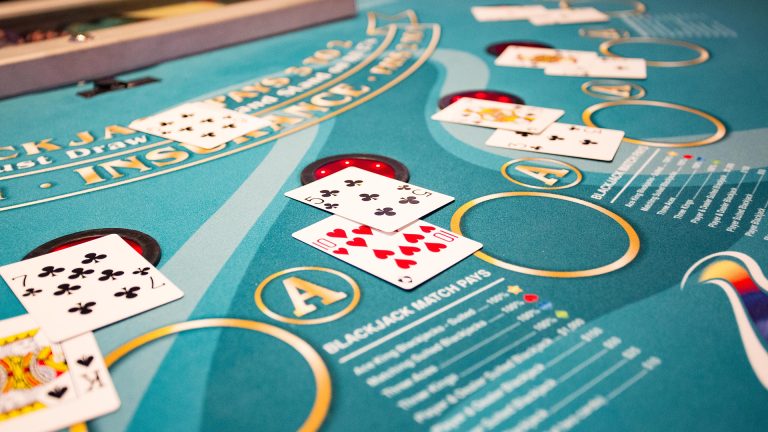
Conversely, softer lighting and muted colors can evoke relaxation and comfort, providing a much-needed respite amid the thrill of gambling. Casinos often blend these contrasting approaches by using bright colors to capture attention while retaining areas designed for guests to unwind. This strategic environment design not only caters to the diverse preferences of players but also enhances retention rates and overall satisfaction, ensuring that guests feel both engaged and at ease during their visit.
The layout of a casino is another critical aspect that influences the player experience. The arrangement of games, tables, and amenities is carefully planned, with high-stakes tables often placed in more secluded areas to create a sense of exclusivity and privacy. This design encourages players to take their time, savor the thrill, and consider increasing their bets. By managing foot traffic flow and optimizing the casino’s physical layout, operators can tap into the psychology of human behavior, enhancing the overall gaming experience and maximizing potential revenue.
The Importance of Sound and Music
Sound design is a crucial element that significantly shapes player behavior in casinos. The combination of upbeat music, the sounds of slot machines, and ambient noise creates an auditory environment that heightens excitement and anticipation. Music is often carefully selected to evoke specific emotional responses; its tempo can affect how long players remain engaged. Fast-paced tunes energize players, encouraging them to gamble longer and ultimately spend more money.
Research indicates that certain sounds can trigger nostalgic feelings associated with gambling, bolstering the immersive experience. For example, the jingles of winning slot machines can evoke a euphoric sense of victory, reinforcing the desire to continue playing. This carefully curated soundscape is designed to create an illusion of winning and excitement, which can lead players to overlook the odds stacked against them. By leveraging positive auditory experiences, casinos effectively harness the psychological principles of reinforcement and reward to keep players engaged.
Moreover, the strategic use of sound can subtly influence player decision-making. Changes in volume levels can draw attention to specific games or promotions, guiding players toward higher-stakes options. When combined with visual stimuli, sound becomes a powerful tool that manipulates the player experience, making the casino floor feel like a dynamic and ever-changing environment filled with endless possibilities and opportunities for fun.
Color Psychology and Its Impact
The colors utilized in casino design are carefully selected based on principles of color psychology, significantly influencing player behavior. Warm colors like red and yellow are commonly used to evoke excitement and urgency, encouraging players to dive into the action. Red, in particular, is known to increase heart rates and generate a sense of competition, making it a prevalent choice in gaming areas. This energetic atmosphere entices players to engage more deeply with their surroundings, fostering an environment of thrill and anticipation.
In contrast, cooler colors such as blue and green are strategically placed in lounge areas or high-stakes tables to promote calmness and focus. These areas offer players a chance to take a breath, strategize, and enjoy the thrill of gambling without feeling overwhelmed. This thoughtful color selection ensures that guests experience a balanced atmosphere, allowing for both stimulation and relaxation throughout their visit, enhancing overall satisfaction.
Furthermore, the combination of colors can help delineate different areas within a casino, creating distinct atmospheres. For instance, vibrant colors may dominate the gaming floor, while softer hues are found in dining areas to signal a change in mood and purpose. By intentionally using color, casinos can guide guests through their experience, subtly influencing their emotions and overall satisfaction, which fosters a desire to return for future visits.
Psychological Triggers and Reward Systems
Casinos are adept at employing psychological triggers that enhance gambling behavior, significantly impacting player engagement. One of the most effective strategies is the implementation of reward systems, such as loyalty programs designed to encourage repeat visits. By offering players incentives like free meals, hotel stays, or exclusive events, casinos create a sense of commitment and belonging. This strategy leverages the principle of reciprocity, wherein players feel compelled to return the favor by spending more money at the casino.
Additionally, the concept of variable rewards is crucial in gambling psychology. Unlike fixed payouts, unpredictable wins provide a powerful psychological stimulus that keeps players engaged. This principle is particularly evident in slot machines, where the occasional big win can lead players to chase that high, often causing them to invest more time and money. This unpredictability sparks excitement and anticipation, making it increasingly difficult for players to walk away from the games.
Moreover, the illusion of control enhances the player’s experience. Many games allow for a degree of decision-making, such as selecting bet sizes or strategies, which can lead players to feel empowered and more invested. This sense of control enhances enjoyment, even when the odds remain heavily tilted in favor of the house. By effectively incorporating psychological triggers, casinos create an environment where players feel engaged, motivated, and eager to return for more thrilling experiences.
Website Insights on Casino Design Psychology
Understanding the psychology behind casino design is a multifaceted endeavor, with a wealth of insights available online. Various resources delve into the intricate design elements that influence player behavior, analyzing how factors like environment, sound, and color impact gaming experiences. These websites offer guidelines and case studies for both new investors and seasoned casino owners looking to optimize their spaces for maximum player engagement.
Furthermore, these insights extend beyond traditional casino floors, as many articles compare user experiences in online gaming platforms with those in physical casinos. By exploring the psychological aspects of both realms, operators can develop more engaging and successful gaming environments tailored to their audience’s desires, ensuring a captivating experience regardless of the medium.
Ultimately, adopting an informed approach to casino design maximizes player satisfaction and profitability. By integrating established psychological principles, operators can create captivating experiences that resonate with guests, ensuring they leave with memorable moments and a desire to return. Understanding these dynamics not only enhances the operator’s strategy but also elevates the player experience, fostering a delightful cycle of engagement that benefits both parties in the long run.

 Kategorijos
 Car filter
 Paieška
 Palyginti
 Šoninės juostos
 Į viršų